Your medical clinic, run for you.
Costs keep rising, payments don't, and denials eat what's left.
Scheduling, recalls, insurance claims, patient reminders, reviews, staff and money, all integrated and all done for you. No setup, no settings, no writing texts or messages. Nothing goes live until you approve it.
Built to pay for itself. A few recovered bookings a month can cover the monthly.
Free consultation. $2,500 scoping, credited to your build. Builds from $10,000, then from $1,500 a month for AI, hosting, updates, security and 1,000 SMS credits.
Built to HIPAA standards, with a signed BAA.
Tap the orange dots on the screens for details.
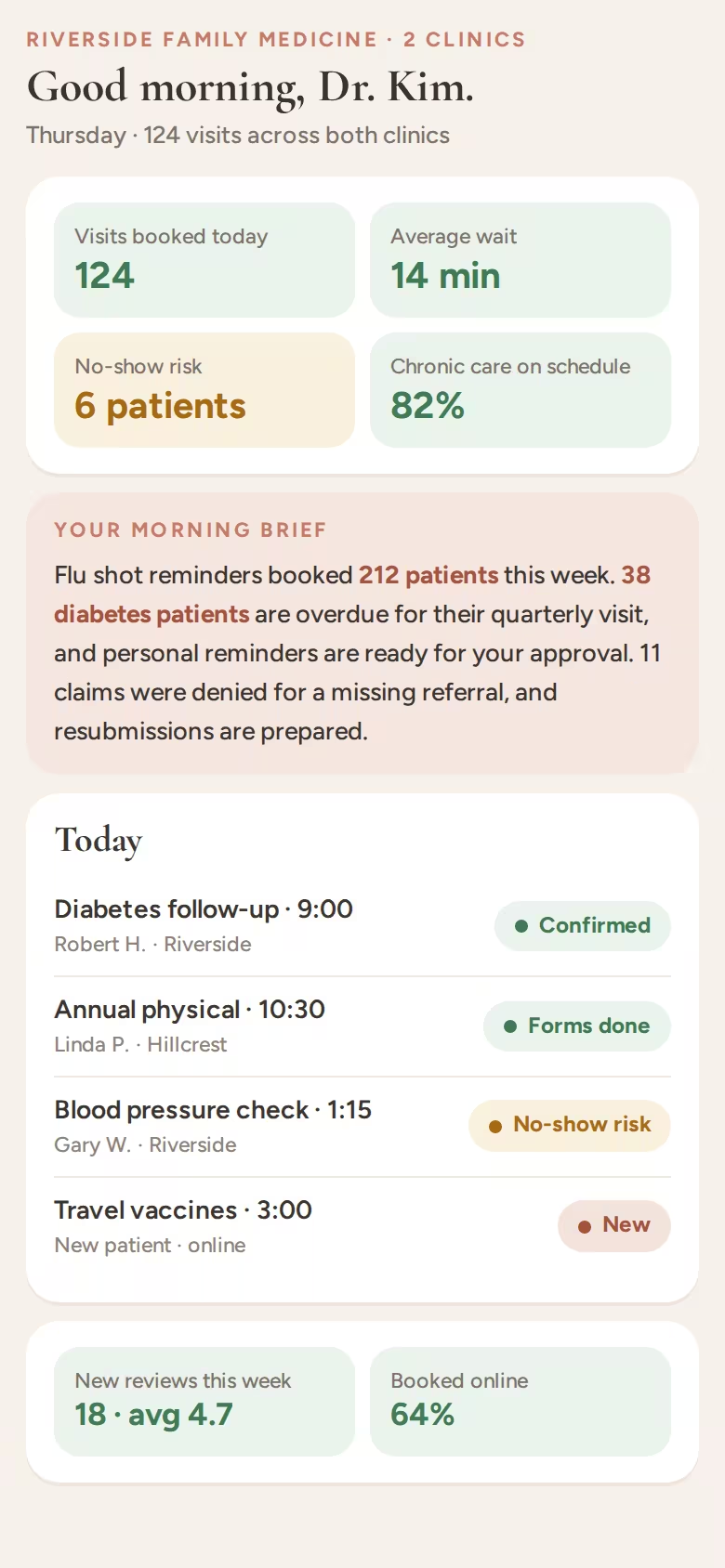
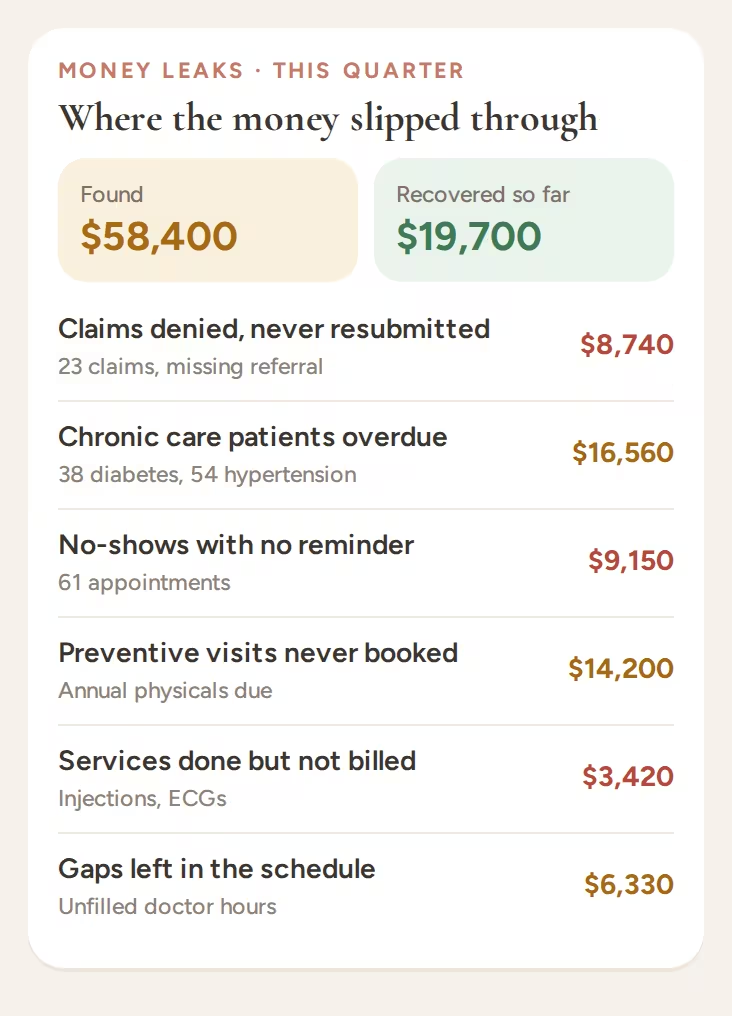
Where medical clinics quietly lose money.
Denied claims nobody resubmits. Chronic care patients who slip past their next visit. No-shows nobody reminded. Annual physicals and checkups that never get booked. Injections and tests done but never billed. And empty gaps in the doctors' schedules.
Your command center puts a dollar figure on each one, every week, and tells you who should fix it.
- Denied claimsResubmitted with the missing piece attached
- Overdue chronic carePersonal reminders before patients fall behind
- No-showsReminders sized to each patient's history
- Preventive carePhysicals and checkups booked when they come due
- Unbilled servicesVisit notes matched against what was billed
- Empty schedule gapsOpenings filled from your waitlist
Reminders that keep patients on track.
It writes text and WhatsApp reminders one patient at a time, using their care plan and what they told you: when they're due, which doctor they see, the times that work for them. Every reminder says why that patient got it, and none ever names a diagnosis.
Nothing goes out until you approve it. Every campaign is tracked to bookings and revenue, so you know which follow-ups actually pay.
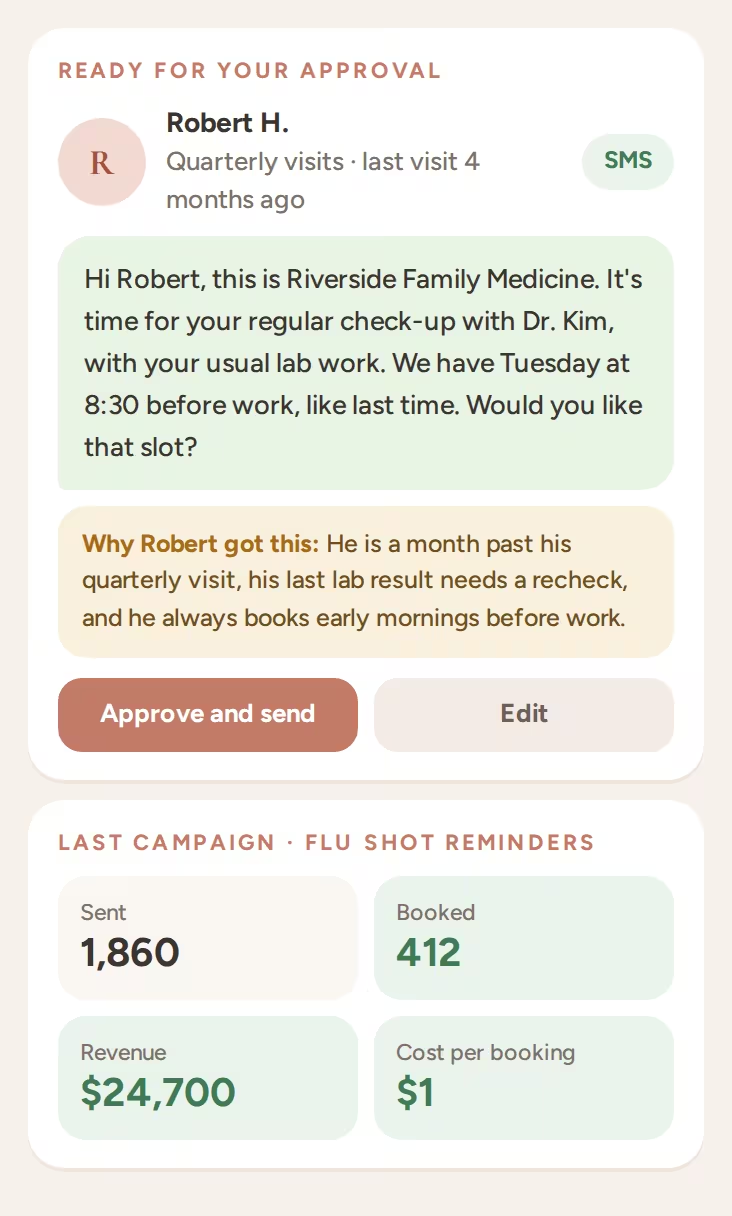
Know which visits and reminders actually pay.
Revenue isn't profit. Your screen shows revenue per doctor-hour after staff time, supplies and claim costs, and which reminders actually bring patients in.
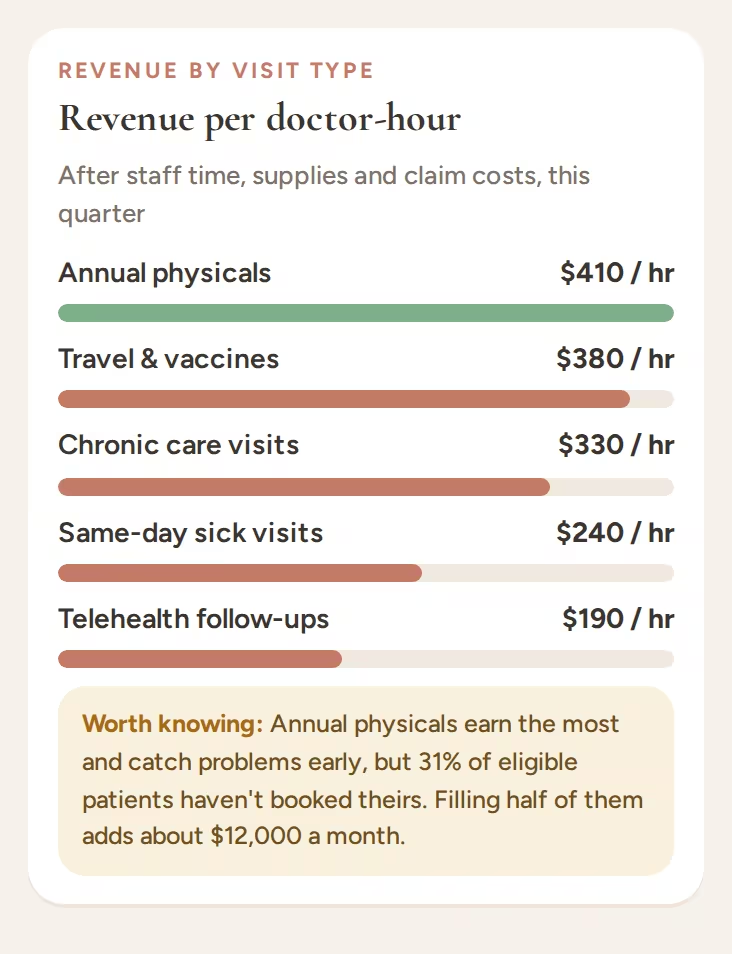
Revenue per doctor-hour
See which visit types earn the most for every hour a doctor is booked, and which preventive visits are still unbooked.
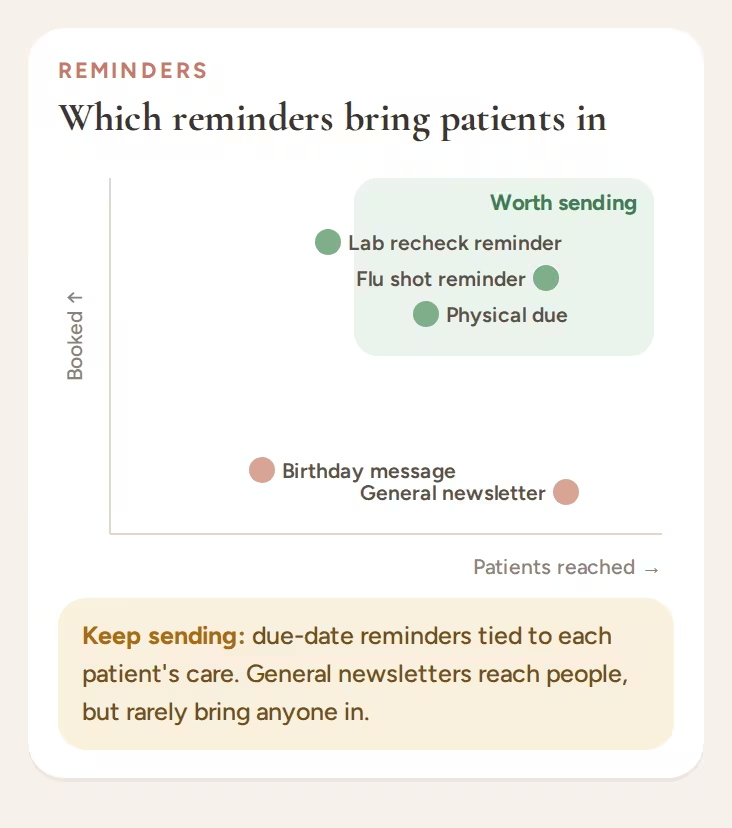
Reminders that work
Keep the reminders that get patients booked, and stop the ones that only add noise.
Software gives you tools. This gives you a finished system.
There's no shortage of medical software. Each one does a piece, then hands you the settings, the templates and the writing. This is the whole thing, built around your clinic and run for you.
| Typical clinic software | Your command center |
|---|---|
| You set it up yourself | Built and connected for you |
| Settings, templates and workflows to configure | No settings. Your numbers, limits and messages are set up for you |
| You write the emails and texts | Every message written for each patient |
| One tool per job: booking, marketing, reviews, reporting | All in one, all integrated, on one screen |
| Built for every clinic | Built around yours, with anything bespoke you need |
| You check it when you find time | A brief every morning, and nothing goes live until you approve it |
One system runs it all:
- Scheduling and reminders
- Chronic care recalls
- Preventive care
- Insurance claims
- Patient memory
- Reviews
- Staff and doctor hours
- Money and reporting
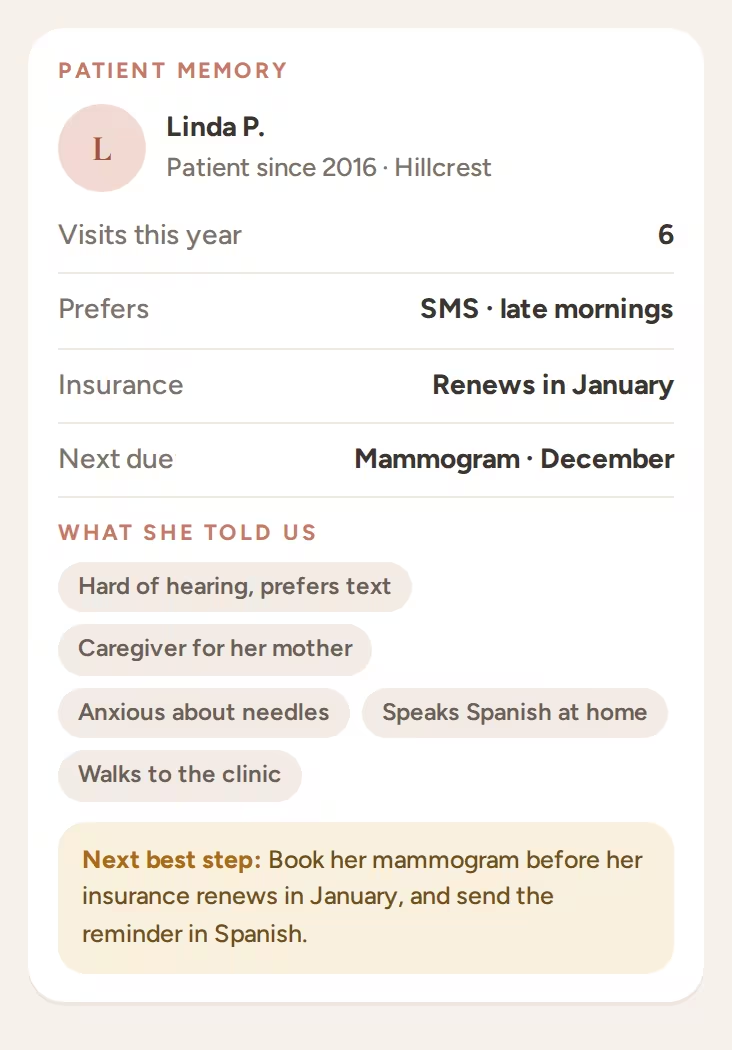
It remembers what your patients tell you.
Preferred times, language, hearing or mobility needs, caregivers, insurance timing and what comes due next, all on one card. Your front desk sees it before every visit, and every reminder uses it.
Everything every command center comes with.
Connects to the systems your clinic already runs.
You don't switch software. Your command center reads from the records, scheduling, insurance and payment systems you already use.
- Records & scheduling
- Epic, athenahealth, eClinicalWorks, NextGen, DrChrono
- Messaging
- SMS, WhatsApp
- Insurance
- Claims and clearinghouse portals
- Payments
- Stripe, Square and your card terminals
- Accounting
- QuickBooks, Xero
- Anything else
- If your clinic runs on it, I'll connect it.
HIPAA and patient privacy, built in.
- Built to HIPAA standards. Access is role-based, every action is logged, and I sign a business associate agreement (BAA) before connecting to anything that holds patient data.
- Role-based access. Staff see only what their role needs.
- Masked records. Patient details stay hidden on shared screens.
- Reminders never name a diagnosis, so they're safe to send by text.
- Read-only connections wherever a system allows it, and every action logged.
- Privacy laws respected, including Japan's personal information law for clinics in Japan.
Four steps from first question to a system that runs for you.
- 1
Tell me about your business
2 minutesSeven quick questions about your business.
- 2
Free consultation
FreeWe find where the money leaks. If it isn't a fit, I'll say so.
- 3
Privacy and scoping agreement
$2,500, credited in fullPrivacy agreement + BAAMap of your systemsLeak estimateDraft of your screenFixed build price - 4
Build and run
From $10,000, then from $1,500 a monthBuilt, connected and run for you. You approve everything.
The scoping fee is non-refundable and is credited in full to your build when the build agreement is signed within 30 days.
What clinic owners ask first.
Do I need to change my records system?
No. It connects to the records, scheduling, insurance and payment systems you already use.
Do I have to set anything up?
No. I connect your systems, set your numbers, limits and messages, and hand you a finished system. Your part is approving what goes out.
How is this different from medical software I can buy?
Most medical software does one piece and hands you the settings. This runs everything in one place, is built around your clinic, and is done for you.
Does it work with WhatsApp?
Yes. Reminders go out by text or WhatsApp, whichever each patient prefers.
Who writes the reminders?
Nobody on your team. Each one is written for a single patient from their care plan, never names a diagnosis, and you approve or edit it before anything goes out.
Is it HIPAA compliant?
It is built to HIPAA standards. Reminders never name a diagnosis, access is role-based, every action is logged, and I sign a business associate agreement (BAA) before connecting to anything that holds patient data.
What does the monthly fee cover?
It starts at $1,500 a month and covers AI usage, hosting, updates, security, and 1,000 SMS credits a month. One credit sends one SMS segment. Larger groups are quoted in scoping.
What does the scoping agreement include?
A signed privacy agreement and BAA, a map of every system you run, an estimate of your money leaks, a draft of your own screen, and a fixed price for the build. The $2,500 is credited in full to your build.
Is the scoping fee refundable?
No. It is credited in full to your build when the build agreement is signed within 30 days of scoping.
What is an SMS segment?
A single text holds up to 160 characters in English, or 70 in Japanese or Chinese. Longer messages are split into more than one segment.
Can I start with one location?
Yes. Add locations whenever you like, and each one shows up on the same screen.
How long until it's live?
Most clinics are live within weeks of the discovery call.
Does it work in Japanese and Chinese?
Yes. Your screen and your patient messages work in English, Japanese and Chinese.
Start with a free discovery call.
Tell me how your clinic runs today. I'll show you where the money is leaking and what your screen would look like.
Free consultation. $2,500 scoping, credited to your build. Builds from $10,000, then from $1,500 a month for AI, hosting, updates, security and 1,000 SMS credits.